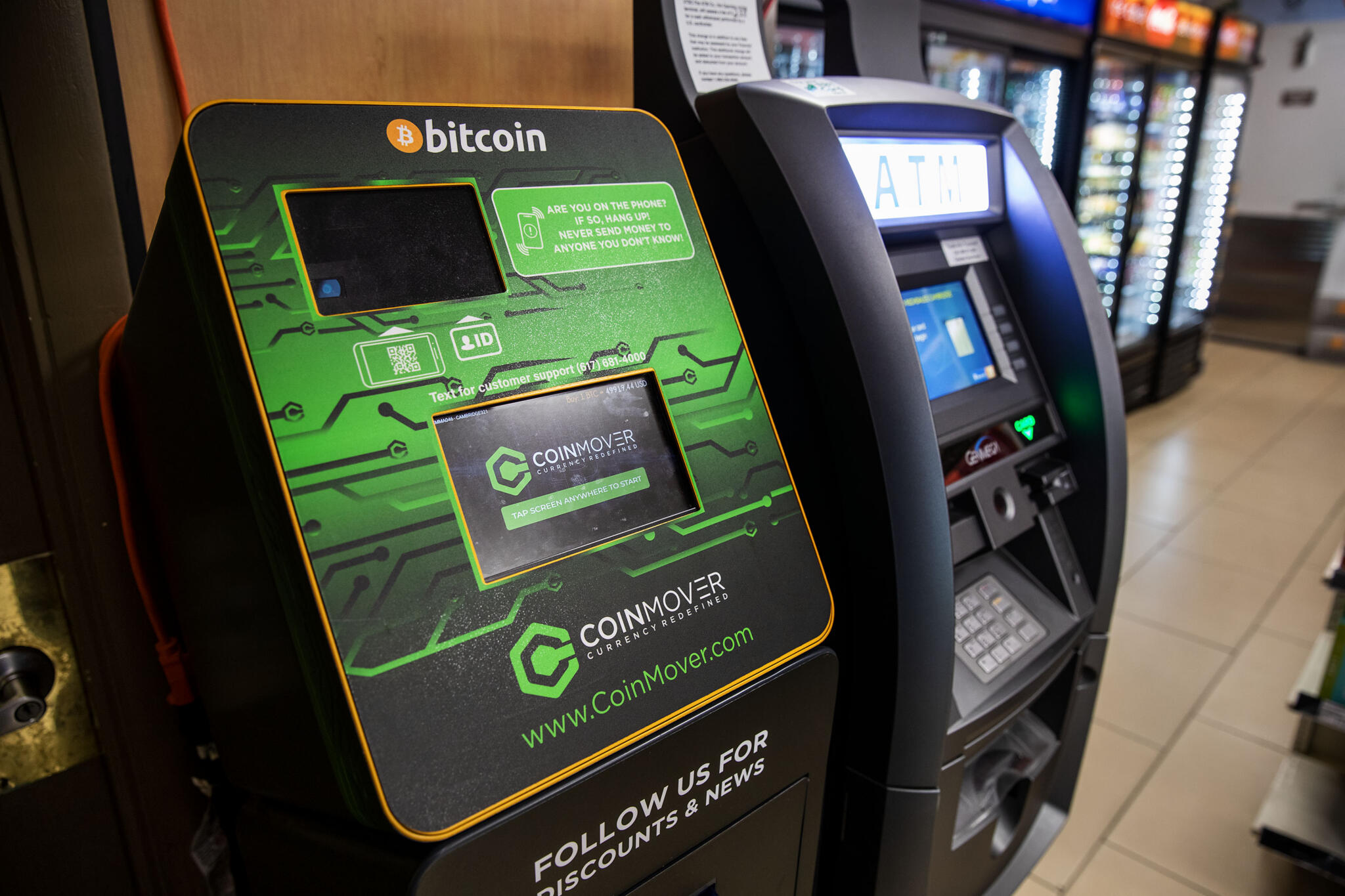
States and cities are moving to ban cryptocurrency kiosks today as scams mount across the nation. Local leaders want to stop bad actors from taking money from unsuspecting residents. These new bans aim to protect everyday people from losing cash at physical machines.
Why are states and cities moving to ban cryptocurrency kiosks?
Local government leaders are taking action because fraud linked to these physical machines keeps rising. Many victims get tricked into depositing cash into kiosks by scammers pretending to be police officers or government workers. Once the cash goes into the kiosk, the money disappears into offshore wallets instantly. Lawmakers hope that removing these machines from local stores will stop victims from sending money to criminals.
Rising complaints from local communities made city councils pay close attention to the problem. Older adults and people who do not understand tech well get targeted the most by these bad actors. Local leaders believe that banning the physical machines is the fastest way to cut down on financial losses. By closing access to physical kiosks, states hope to keep more money safe in their towns.
What does the ban on crypto kiosks mean for everyday people?
Ordinary people will soon see these cash machines removed from local convenience stores, gas stations, and shopping malls. If you rely on physical machines to buy digital coins with cash, you will need to find another way to trade. Most people will have to switch to online platforms or regulated apps to purchase digital assets instead of using cash in public places.
This big change aims to create a safer environment for anyone who handles money in public places. While it might make buying digital coins less handy for honest users, it adds a key layer of protection for vulnerable neighbors. Stopping financial fraud before it happens saves families from losing their life savings to high pressure schemes.
How did fraud at cash machines become such a big problem?
Physical machines grew very fast in many towns over the last few years because they were easy to set up. People could walk up to a counter in a local shop, insert dollar bills, and send funds anywhere without talking to a bank worker. That high speed and lack of human help made kiosks a top tool for cryptocurrency and crime rings looking for quick payouts.
Many victims report that scammers stayed on the phone with them until the cash entered the slot. Because banks were not involved in the middle, nobody was there to warn the victim that it was a trick. As these crimes grew every month, local police asked state officials to step in and shut down the networks completely.
What should you watch for as these new bans start?
You can expect more city councils and state houses to vote on similar bans in the coming weeks. Store owners will have to turn off the machines and clear them out to follow the new rules. Officials will also check if remaining kiosk operators try to challenge the new city laws in court.
Here are the top things to watch for as cities make this move:
- More state bills aiming to limit or ban public cash machines completely.
- New signs posted in stores warning people about common phone schemes.
- A push toward safer online services that check users before trade happens.
- Police updates showing if local fraud numbers go down after the machines leave.
As state and city rules get stronger, local leaders hope these bans will bring peace of mind back to local streets. Keeping citizens safe from fast cash fraud remains the top goal for lawmakers today.
Comments
Post a Comment